Building a durable concrete driveway in harsh climates means fighting freeze-thaw cycles, extreme heat, and moisture damage. You’ll need air-entrained concrete with 4–8% air content to prevent spalling and cracking. Install a 4–6 inch thick slab with reinforcement, proper grading for drainage, and a crushed stone base. Select cement types resistant to chemical attacks, add silica fume or fly ash for strength, and apply protective sealers. The upfront investment in high-performance materials and installation techniques pays dividends through decades of reliable service, and understanding each component’s specific role transforms your driveway into a fortress against nature’s assault.
Expert Highlights
- Use high-performance concrete mixes with air entrainment (4-8% air content) to prevent freeze-thaw damage in cold climates.
- Install a minimum 6-inch thick concrete slab with rebar reinforcement to withstand extreme temperature fluctuations and stress.
- Incorporate additives like silica fume, fly ash, and water reducers to create defensive layers against chemical attacks.
- Ensure proper site preparation with compacted soil, 2% grading for drainage, and a crushed stone base layer.
- Design effective drainage systems to manage moisture and prevent water infiltration that accelerates concrete deterioration in harsh conditions.
Understanding Climate-Specific Concrete Challenges
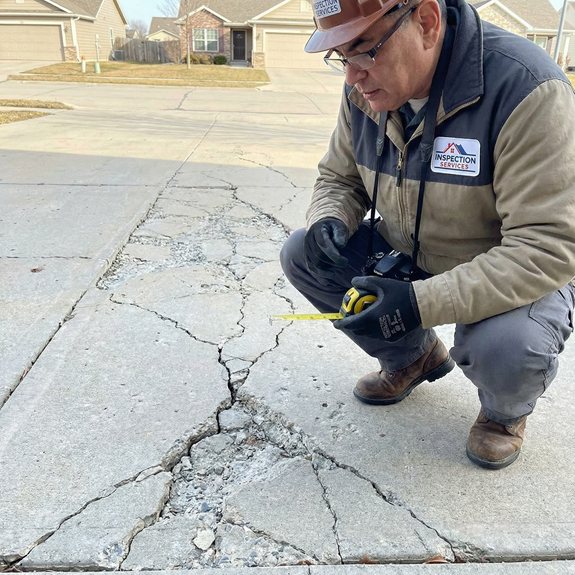
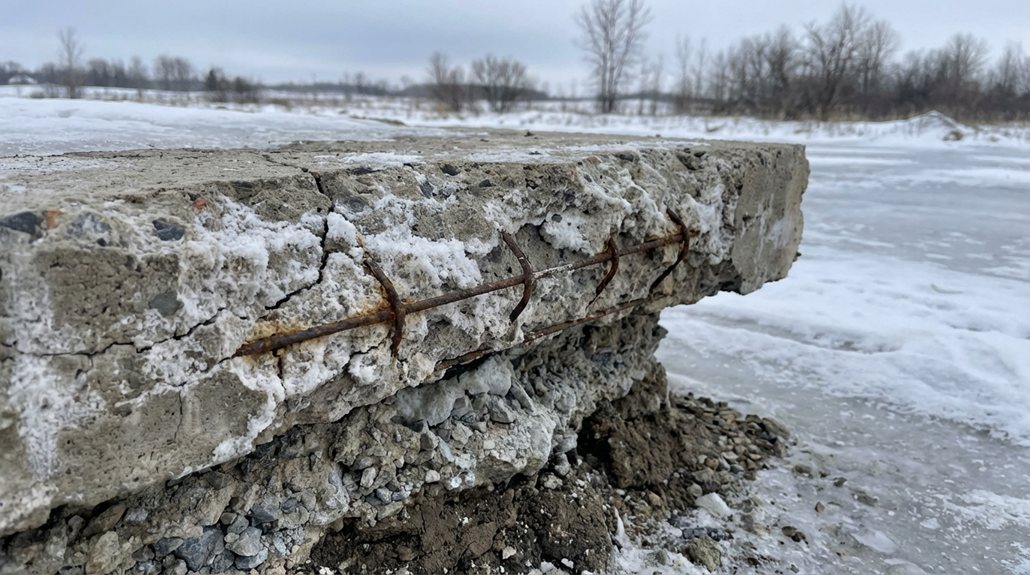
Your concrete driveway faces a constant battle against weather, and where you live determines which enemies it’ll fight hardest. In freezing climates, water seeps into tiny cracks, freezes, and expands—creating a destructive cycle called freeze-thaw damage.
Hot, dry regions cause rapid evaporation during the concrete curing process, leading to weak surfaces and premature cracking. Your concrete mix design must account for these conditions; professionals adjust water content, air entrainment, and cement ratios accordingly.
Understanding your climate’s specific stressors—whether salt exposure, UV intensity, or moisture levels—lets you select appropriate materials and techniques that prevent costly repairs later.
Selecting High-Performance Concrete Mixes for Extreme Conditions
When you’re building a durable driveway in harsh climates—whether that’s freeze-thaw cycles in northern regions or intense heat in the desert—you’ll need to make strategic choices about your concrete mix to prevent cracking, scaling, and deterioration. Air entrainment, which introduces tiny air bubbles throughout the concrete, gives you a built-in cushion that allows water to expand safely during freezing without damaging the structure.
Selecting the right cement type (such as low-alkali or sulfate-resistant formulas) protects against chemical attacks from road salt and soil minerals. By combining these high-performance elements upfront, you’ll invest slightly more initially but sidestep costly repairs and premature replacement down the road.
Air Entrainment Benefits
How does concrete survive freeze-thaw cycles that’d crack ordinary driveways in just a few winters? Air entrainment is your answer—tiny intentional air bubbles trapped throughout the concrete mix that provide escape routes for expanding ice.
Your driveway gains these air entrainment advantages:
- Absorbs pressure from frozen water expansion
- Prevents destructive ice lens formation
- Reduces salt damage penetration
- Extends lifespan 20+ years
- Maintains structural integrity during temperature swings
Air entrainment performance fundamentally gives your concrete breathing room, literally. These microscopic pockets act as safety valves, allowing ice crystals to expand harmlessly instead of shattering the surface. You’re investing in longevity and reliability.
Cement Type Selection
Different cement compositions deliver vastly different performance levels when concrete faces extreme freeze-thaw cycles, salt exposure, and temperature swings—yet many homeowners simply accept whatever mix their contractor recommends without understanding the critical difference between standard Portland cement and high-performance alternatives.
You’ll want Type II or Type V Portland cement for harsh climates because they’re specifically engineered with superior cement strength properties that resist salt damage. Your concrete mixture design should incorporate supplementary materials like fly ash or slag, which densify the concrete and reduce water penetration. This targeted approach prevents costly deterioration, extending your driveway’s lifespan considerably while protecting your investment from environmental assault.
Essential Air Entrainment and Additives for Freeze-Thaw Protection
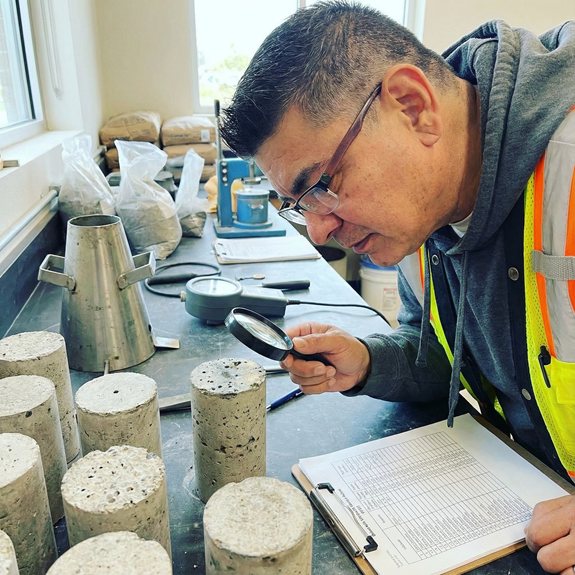
When you expose concrete driveways to freeze-thaw cycles—where water seeps into pores, freezes, expands, and cracks the surface—you need air entrainment (tiny intentional air bubbles) to provide escape routes for this expanding ice, which directly prevents structural damage and extends your driveway’s lifespan by decades.
You’ll also want to select protective additives like air-entraining agents, silica fume, and water reducers that work together: the bubbles absorb pressure, the silica fume densifies the concrete matrix to block water infiltration, and the water reducers lower permeability, creating multiple defensive layers against the harsh seasonal conditions that typically destroy untreated driveways within 5-10 years.
Air Entrainment Fundamentals
Your concrete driveway faces a relentless enemy during winter: freeze-thaw cycles that’ll crack and crumble your investment if you’re not prepared. Air entrainment fundamentals protect your concrete by deliberately creating tiny air pockets throughout the concrete matrix interaction, allowing water to expand safely without destroying your surface.
Proper entrainment requires 4-8% air content in your mix. Air pocket formation happens during mixing with specialized admixtures. Concrete matrix interaction strengthens when air bubbles are evenly distributed. Under-entrainment leaves your driveway vulnerable to spalling and cracking.
Air pockets act as escape routes for expanding ice crystals. This simple strategy transforms ordinary concrete into winter-resistant protection.
Protective Additives Selection
How do you know which additives will truly protect your concrete beyond just air entrainment alone? You’ll need to master admixture selection and admixture compatibility to prevent freeze-thaw damage.
Different additives—like silica fume, fly ash, and water reducers—work together strategically, but mixing incompatible products causes problems: reduced strength, surface scaling, and premature failure. Your concrete contractor must verify that each admixture bonds properly with others before application.
When you choose complementary additives that enhance air entrainment performance, your driveway resists salt damage and temperature swings effectively for decades.
Proper Site Preparation and Drainage Solutions
Before you pour a single cubic yard of concrete, the ground beneath it must be properly prepared, or you’ll face expensive problems down the road—foundation settling, cracking, and premature failure that could’ve been prevented entirely.
Your preparation strategy should include:
- Soil compaction using mechanical tampers to eliminate air pockets
- Grading sloped at least two percent for water runoff
- Base layer installation (4-6 inches of crushed stone)
- Drainage systems directing moisture away from the slab
- Frost protection in harsh climates requiring deeper bases
Proper water management prevents ice accumulation and subsurface erosion. You’re fundamentally building a fortress against nature’s harshest attacks.
Optimal Thickness and Reinforcement Specifications
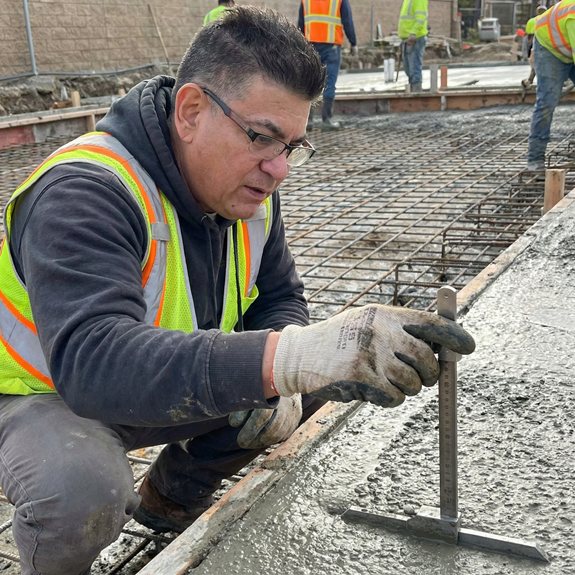
Once you’ve built a solid foundation with proper site preparation, the concrete slab itself must be engineered to handle the weight and stress it’ll endure—and this comes down to two critical factors: thickness and reinforcement.
You’ll want at least four inches thick for residential driveways in harsh climates; six inches works better where freeze-thaw cycles occur regularly. Rebar or wire mesh provides stress distribution, preventing cracks from spreading catastrophically. Proper reinforcement guarantees structural integrity by absorbing tensile forces that concrete alone can’t handle.
This combination prevents costly failures and extends your driveway’s lifespan greatly, protecting your investment through decades of demanding weather.
Finishing Techniques That Enhance Durability
With your concrete slab properly reinforced and thick enough to handle the stresses of daily use, you’re ready for the finishing phase—and here’s where surface treatment becomes your defense against premature deterioration.
Your finishing choices dramatically impact durability in harsh climates:
- Textured finishes prevent slipping while increasing abrasion resistance
- Broom finishes create grip patterns that resist freeze-thaw damage
- Sealing applications block water infiltration and salt penetration
- Air entrainment incorporates tiny bubbles protecting against ice expansion
- Proper curing allows concrete to reach maximum strength
These techniques aren’t optional upgrades—they’re essential investments that extend your driveway’s lifespan by years, preventing costly repairs from environmental stress.
Sealing and Protective Coatings for Long-Term Protection
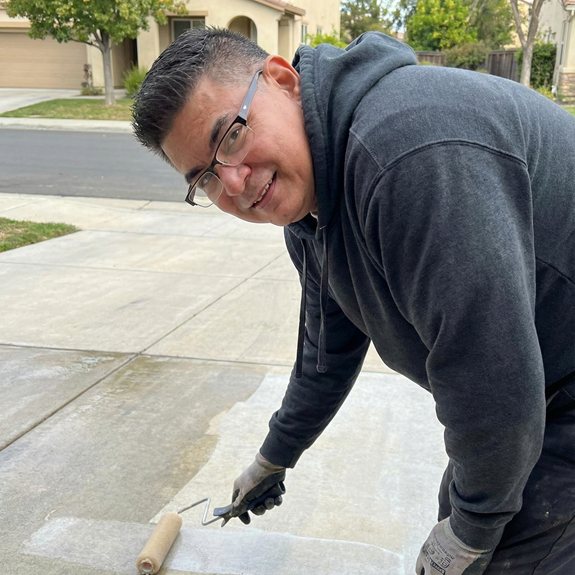
Even the most expertly installed and finished concrete driveway faces a relentless enemy: water infiltration, which seeps into microscopic pores and causes expansion, cracking, and surface spalling as freeze-thaw cycles repeat year after year.
You’ll want penetrating sealers that absorb into the concrete, blocking moisture while letting the surface breathe. Decorative coatings add protection and curb appeal simultaneously.
Apply sealers every two to three years in harsh climates where temperature swings are fundamentally dramatic. Without this defense, you’re inviting expensive repairs. Proper sealing transforms your driveway from a liability into a lasting investment.
Maintenance Strategies to Extend Driveway Lifespan
How can you protect your concrete investment after the sealant’s been applied?
Periodic maintenance keeps your driveway performing strong in harsh climates. You’ll need to:
- Clean debris regularly to prevent moisture buildup
- Inspect drainage systems quarterly for blockages
- Fill cracks promptly before they expand
- Reapply sealant every two to three years
- Remove salt and chemicals immediately after winter
Frequently Asked Questions
How Much Does Installing a Durable Concrete Driveway Cost in Harsh Climates?
You’re looking at $8-$18 per square foot for concrete driveway installation costs in harsh climates. Yeah, it’s pricey, but you’ll laugh all the way to the bank when your driveway’s expected lifespan hits 30-40 years without cracking like your sense of humor.
How Long Should Homeowners Expect a Properly Built Driveway to Last?
You’ll get 25-30 years if you’ve nailed your driveway construction methods and aren’t lazy about maintenance requirements. Skip either, and you’re basically paying for an expensive parking lot that’ll crack faster than your willpower in January.
What Are the Warning Signs That a Driveway Needs Repair or Replacement?
You’ll spot trouble when cracking patterns emerge like your driveway’s having a breakdown. Freeze-thaw cycles leave potholes that’ll swallow your car’s dignity. If you’re playing hopscotch in your garage, it’s replacement time.
Can Existing Damaged Driveways Be Repaired Instead of Completely Replaced?
You’ve got options! Concrete resurfacing can totally save your wallet before you’re stuck replacing the whole thing. Overlay coatings and patches work great for minimizing driveway cracks, letting you dodge that expensive full replacement.
Which Climate Regions Experience the Most Severe Concrete Driveway Damage?
You’ll find your driveway’s worst enemy in northern regions where freezing temperatures and heavy snowfall team up like a concrete-destroying comedy duo. Those freeze-thaw cycles? They’re basically your pavement’s kryptonite.
Expert Final Thoughts
You’ve now got the knowledge to build a driveway that’ll withstand whatever harsh climate throws at it. By selecting the right concrete mix, preparing your site properly, reinforcing adequately, and maintaining it regularly, you’re investing in decades of durability. Your driveway won’t crack from freeze-thaw cycles or crumble under extreme conditions—it’ll stay strong and reliable for years to come.